The High-Stakes Reality of Workplace Contagion
From late autumn through early spring, Austin facilities face their highest infection transmission risk. Research shows that a single virus introduced into a workplace can spread to 50% of shared surfaces and employees by lunchtime — without any direct person-to-person contact. The chain of infection moves from an infected person to high-touch surfaces (door handles, elevator buttons, shared equipment) and then to the next person who touches that surface and then touches their face. This applies to every facility type: medical offices, corporate headquarters, manufacturing plants, schools, and retail locations across Austin.
The Hidden Costs of Absenteeism
Most Austin facility managers underestimate the cost of inadequate cleaning during peak season compared to the cost of widespread employee illness. The financial impact hits four ways: productivity loss from project delays and missed deadlines that erode client trust; overtime pay as healthy employees work extended hours to cover absent colleagues; presenteeism where sick employees show up but function at reduced capacity while spreading illness further; and recruitment and retention damage as employees increasingly factor workplace safety into their employment decisions. A single flu outbreak in a 50-person Austin office can cost tens of thousands of dollars in lost productivity alone.
Beyond Hand Sanitizer: Strategic Disinfection
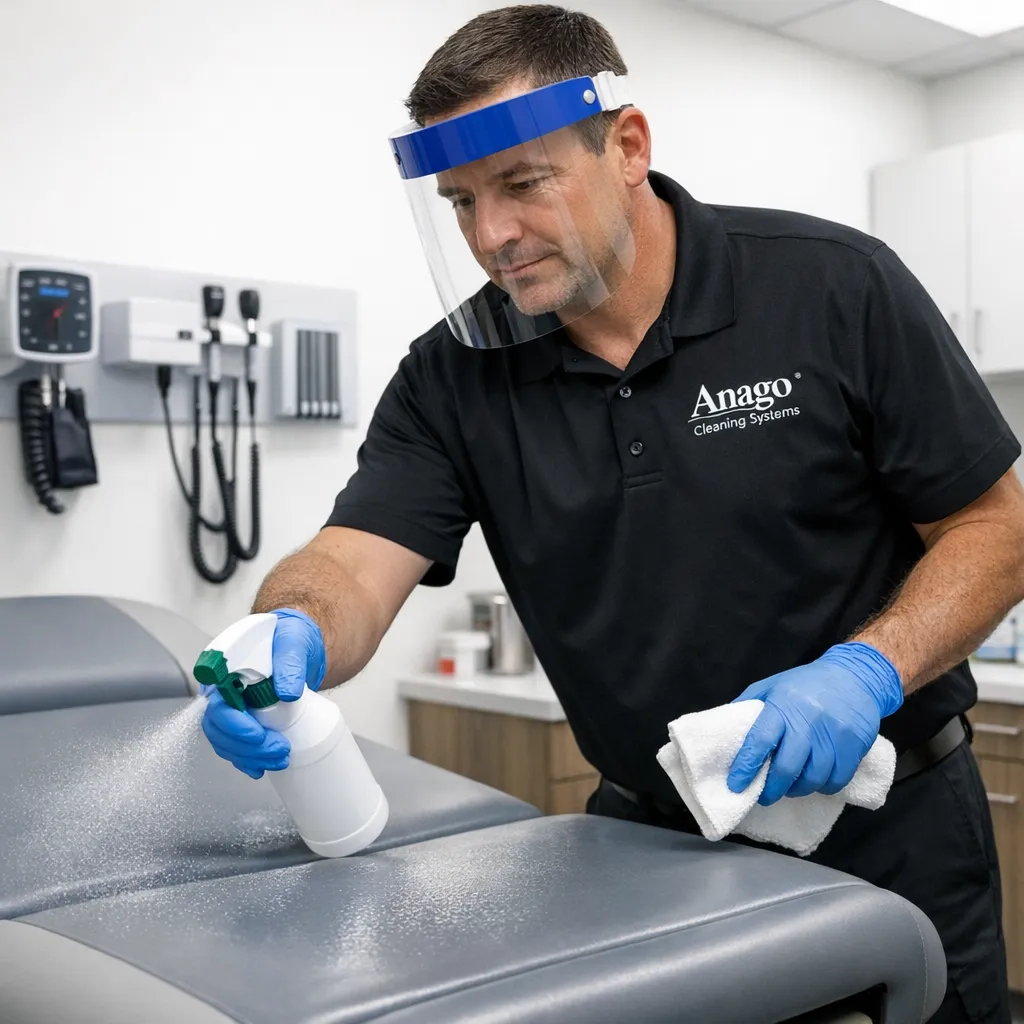
Hand sanitizer stations are a start, but they only address one link in the chain of infection. A comprehensive peak-season disinfection strategy for Austin facilities includes three components. First, high-touch surface eradication — systematically targeting door handles, elevator buttons, vending machines, stair railings, shared keyboards, conference room equipment, and breakroom appliances. Second, electrostatic spraying technology — using electrode-atomized disinfectant solutions that wrap around surfaces for 360-degree coverage, addressing the limitation of manual wiping which typically misses up to 50% of surface area. Third, EPA-registered hospital-grade disinfectants — chemical solutions proven effective against the specific viruses and bacteria circulating during peak season, applied with proper contact times.
Industry-Specific Vulnerabilities in ${city}
Different Austin facilities face unique transmission challenges during peak season. Financial institutions and banks require intensive attention to lobbies, teller counters, and ATM surfaces where hundreds of people interact daily. Educational facilities demand nightly classroom disinfection of desks, chairs, and shared supplies. Medical and dental offices face the highest stakes — sterilization protocols must be flawless, and cross-contamination carries both health and legal consequences. Manufacturing and warehouse operations depend on shared equipment protection where production can't stop for illness. Fitness centers see peak enrollment in January, creating a perfect storm of high traffic and perspiration-laden equipment.
Building a Peak Season Cleaning Protocol
Standard cleaning schedules aren't sufficient during peak season. Austin businesses should implement an escalated protocol that increases disinfection frequency on high-touch surfaces from daily to multiple times per day, adds electrostatic fogging on a weekly basis during peak months, provides hand hygiene stations at all facility entry points and common areas, includes documented disinfection logs that track every treatment for compliance purposes, and communicates visibly to employees that the facility is actively protected. Professional cleaning during peak season isn't an expense — it's a business continuity investment. The cost of a comprehensive disinfection program is a fraction of the cost of a facility-wide illness outbreak.