Why Daycare Cleaning Standards Are Higher Than Any Other Facility
Children under five have developing immune systems, put everything in their mouths, and have limited hygiene awareness. This combination makes childcare facilities the highest-risk indoor environment for disease transmission. TX Health and Human Services sets specific sanitation requirements for licensed daycares, including disinfection frequencies for toys, surfaces, and equipment that far exceed what standard commercial cleaning addresses. A single GI illness outbreak can force a temporary closure, trigger a regulatory investigation, and permanently damage a childcare center's reputation in the Austin parent community. The stakes are higher here than in any other commercial cleaning context.
What Parents Actually Evaluate
Parents choosing a Austin daycare make cleanliness assessments that are both immediate and ongoing. During the initial tour, they notice restroom conditions, floor cleanliness, odors, and the general condition of play areas. But the evaluation doesn't stop at enrollment. Daily drop-offs and pick-ups give parents continuous exposure to your facility's condition. They notice the morning state of the facility, whether restrooms are maintained during operating hours, how quickly spills and messes are addressed, and whether toys and equipment look genuinely clean or just quickly wiped down. In an industry where word-of-mouth referrals drive enrollment, cleanliness is directly tied to revenue.
Critical Cleaning Protocols for ${city} Childcare Facilities
Daycare cleaning operates on a more intensive cycle than any other facility type. Toys and manipulatives must be sanitized daily — ideally rotated so each set gets a full sanitize-and-dry cycle before returning to use. Diaper changing stations require disinfection after every single use with EPA-registered products rated for bloodborne pathogen protection. Nap mats and bedding need weekly washing and daily surface disinfection. Food preparation and serving surfaces require sanitization before and after every meal and snack. Floors in infant and toddler rooms where children crawl and sit require sanitization-level cleaning, not just mopping. Play structures and gross motor equipment need daily disinfection of all contact surfaces. These aren't recommendations — they're the minimum standards TX licensing requires.
The Product Safety Factor
Cleaning product selection in a childcare environment requires a level of care that most commercial cleaning doesn't demand. Products must be EPA-registered for the specific pathogens relevant to childcare settings (norovirus, rotavirus, influenza, and common bacterial infections). Products must be safe for use in environments where children will contact treated surfaces — low toxicity, low VOC, and fragrance-free or naturally scented. Proper dwell times must be followed religiously — a quick spray-and-wipe with a disinfectant doesn't disinfect if the surface doesn't stay wet for the required contact time. Rinsing is often required after disinfection on surfaces children will touch or mouth. Green Seal or EPA Safer Choice certified products provide the right balance of efficacy and child safety.
Professional Cleaning as a Competitive Advantage in ${city}
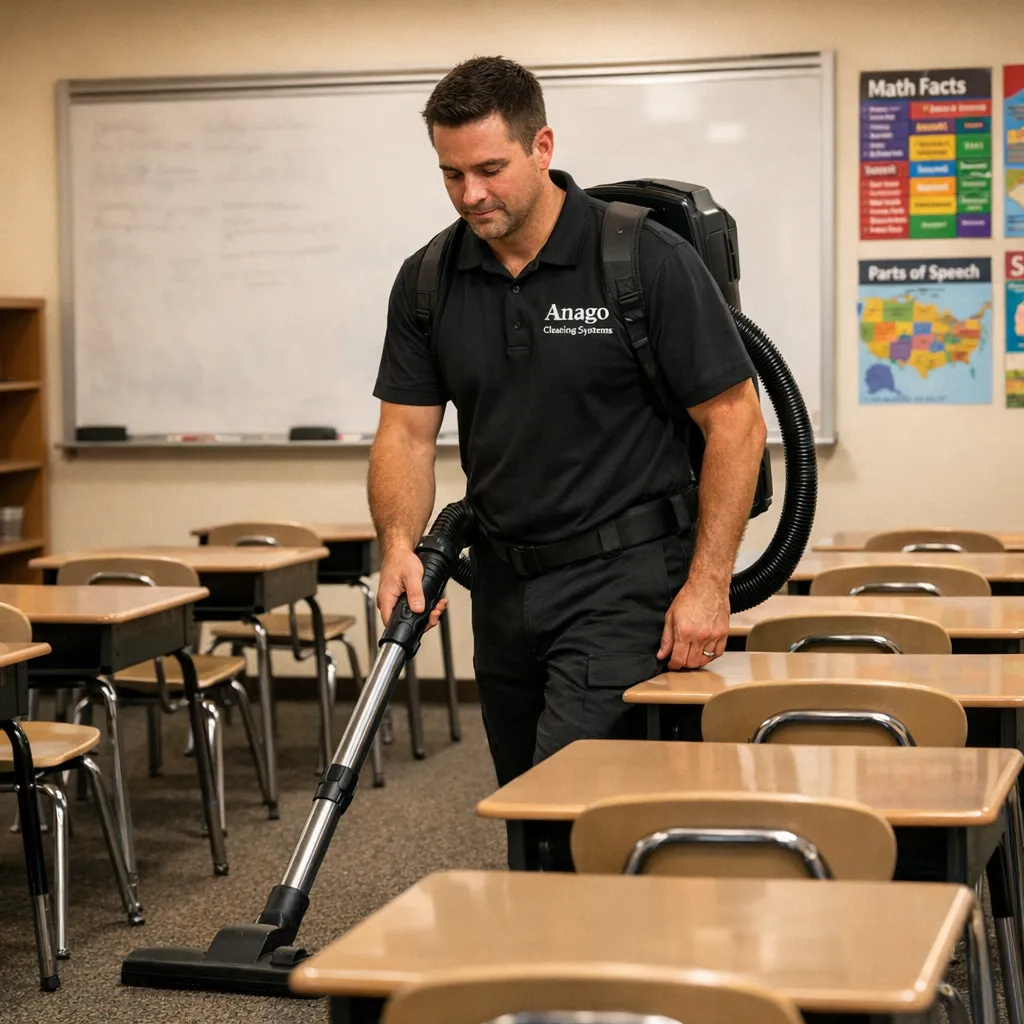
In Austin's competitive childcare market, professional cleaning is a differentiator that directly impacts enrollment and retention. Centers that partner with professional cleaning services can communicate specific protocols to parents, provide documented cleaning schedules that demonstrate compliance, maintain consistent cleanliness regardless of staff changes or busy days, and focus their in-house staff on child supervision rather than cleaning duties. Anago Cleaning Systems provides specialized childcare facility cleaning programs for Austin daycares that meet TX licensing standards, use child-safe products, and provide the documentation that gives parents confidence in your facility.
